
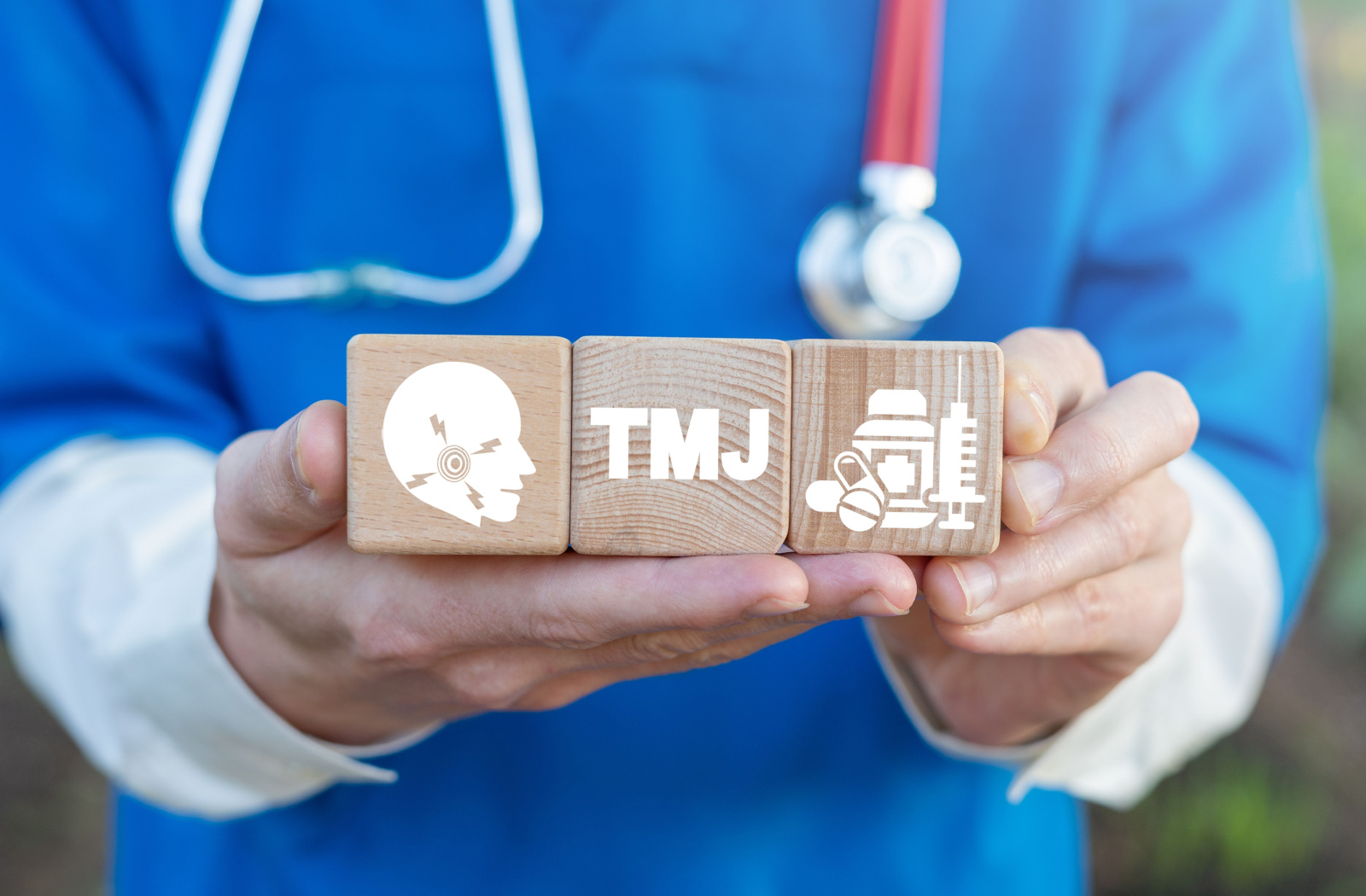
The joint that connects your lower jawbone to your skull is called the temporomandibular joint, and it is cushioned by cartilage and held together by muscles. The temporomandibular joint is more commonly known as the TMJ.
When this joint is working properly, your jaw moves comfortably and smoothly from side to side and up and down for chewing, talking, and yawning, etc. If your muscles tense up, or you develop arthritis, you may experience discomfort in your temporomandibular joint. This is called temporomandibular disorder, or TMD, and it can affect either one or both sides of the joint.
There are many reasons that can give rise to TMD, which can span both psychological stress, bad habits, or physiological issues within the muscles or joint itself. Read our blog to find out more and how we can help you treat it.
What Does TMJ/TMD Pain Feel Like?
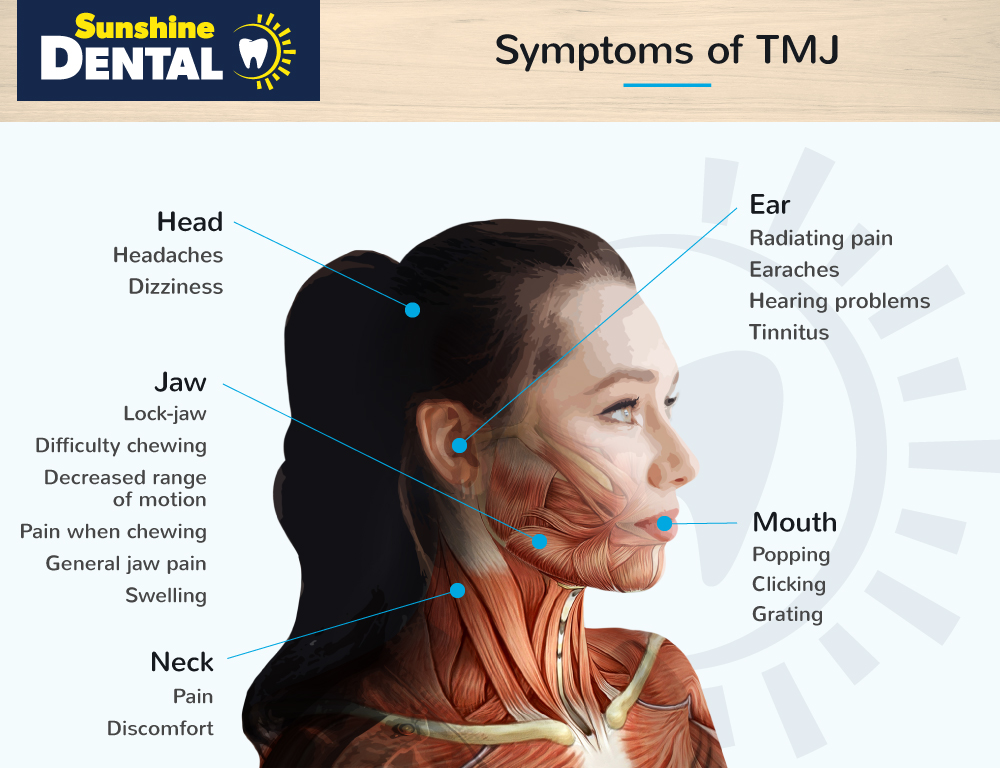
Symptoms of TMJ can include:
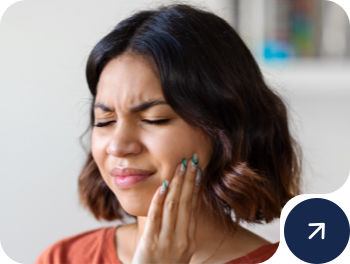
- Pain/discomfort in your jaw & face
- Difficulty chewing
- Feeling like your jaw is out of alignment
- Toothaches
- Dizziness
- Hearing problems
- Tinnitus
Is Curing TMJ/TMD Possible?
For many people, TMD is not permanent. However, it’s important to know why you’re experiencing jaw pain to uncover the cause of your TMD. Your dentist can help determine the root cause of your pain and prepare a treatment plan to help alleviate your TMD.
Your TMJ pain can be challenging to manage, but there are some things you can do to find some relief. Your dentist can work with you to find a solution and help manage your TMD.
For the majority of people, TMD is curable; with proper treatment and pinpointing the root causes of the issue—it is possible to alleviate TMJ pain permanently. Getting treatment for TMD as soon as possible is vital, and visiting your dental professional is the first step.
At-Home Treatment for TMJ/TMD
You can lessen your pain by eating softer foods and avoiding making large or exaggerated jaw motions. While gentle stretching may assist in gradually enhancing your range of motion, hot or cold packs can aid in relieving inflammation and soreness. Non-steroidal anti-inflammatory medicines (NSAIDs) or muscle relaxants, which are available with or without a prescription, can provide some relief. Be sure to discuss with your dentist before taking any medications for your TMD.
- Exercise can be beneficial to help relieve tension on the TMJ. Strengthening exercises can help build your resilience, and stretching can help reduce pain while you’re experiencing TMD. Talk to your dentist to determine which exercises are best for you.
- Relaxation exercises can relieve stress, which can help decrease the tension in your TMJ. Take a few deep breaths, and exhale slowly to help reduce stress.
In-Office Treatment for TMJ/TMD
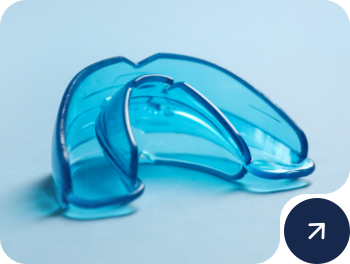
Mouth guards that are designed specifically for TMD can help protect your jaw from grinding while you sleep. These appliances are professionally made by your dentist to fit your mouth comfortably, and have been effective in reducing TMD in patients.
The Causes of TMJ/TMD
Several factors could cause you to experience discomfort or pain in your jaw.
Myofascial Issues
Most often, TMD is caused by myofascial issues, where the jaw’s controlling muscles become irritated and inflamed. This is often brought on by stress, which shows itself as teeth clenching and grinding. This behaviour frequently occurs when you are asleep. Your muscle groups are related—myofascial pain can lead to pain in your neck and shoulders, along with pain in your TMJ.
Joint Issues & Injury
The temporomandibular joint is constructed so that two parts of your bone can easily glide against one another along a piece of cartilage. An impact, a fall, or a dislocation can harm the cartilage, bone, or soft tissue in this joint, causing it to function incorrectly and resulting in pain and reduced motion of the lower jaw.
Joint Diseases
The temporomandibular joint can experience pain from arthritis or other degenerative joint illnesses, just like other significant joints in your body, such as your fingers or knees. Joint illnesses can eventually lead to bone deformities if new bone grows while the cartilage is destroyed.
Early diagnosis and treatment are key factors in achieving a successful and positive outcome so you can live life comfortably and without pain.