
Key Takeaways
- Fluoride can strengthen your enamel and help your teeth resist early decay.
- Your family can get fluoride from tap water, toothpaste, and dental care.
- Your fluoride needs may change with age, cavity risk, dry mouth, or exposed roots.
- Age-based toothpaste amounts can help children use fluoride safely.
At Sunshine Dental, fluoride can add another layer of support to your family’s daily cavity care. You brush your teeth each day, but enamel still faces acids that can weaken it.
Fluoride helps replace minerals lost during everyday acid attacks, strengthening enamel and making it more resistant to early decay. It works alongside brushing, toothpaste, and professional care, rather than replacing any of them.
The right amount depends on age, water exposure, toothpaste use, and cavity risk. That is why fluoride advice may look different for a child with developing teeth than for an adult with dry mouth or exposed roots. You can get fluoride through daily products, tap water, and care from your dental team. Fluoride works as part of a larger routine, not as a substitute for brushing, flossing, or regular dental visits.
Your dentist can help you decide whether the fluoride already in your routine is enough or whether another option makes sense for your cavity risk. The goal is consistent, appropriate use rather than more products.
What Fluoride Does for Your Teeth
Your enamel is the hard outer surface of each tooth. Daily acid exposure can weaken this surface, which may increase your risk of cavities.
Fluoride can support your teeth in several ways. When acids remove small amounts of minerals from enamel, fluoride helps your teeth take up minerals from saliva in those weakened areas. This repair process, called remineralization, also incorporates the fluoride with-in the enamel and makes the enamel more resistant to future acid attacks. These effects include:
- Strengthening enamel against daily acid
- Helping return minerals to weakened areas
- Helping your teeth resist early decay
How Your Family Gets Fluoride
Fluoride in Your Daily Routine
Your family may already get fluoride from several sources. These sources fit into your day in different ways.
- Your tap water can provide regular fluoride exposure throughout the day.
- Your fluoride toothpaste can support your enamel each time you brush.
- Your fluoride mouth rinse may provide added support if the dentist suggests it.
A mouth rinse isn’t right for every person or age group. The dentist can review your cavity risk and explain whether it may help you.
Fluoride Care at Dental Visits
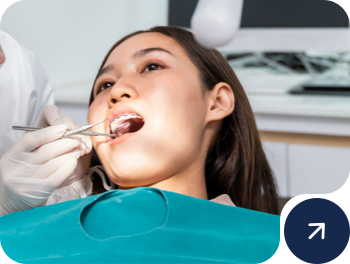
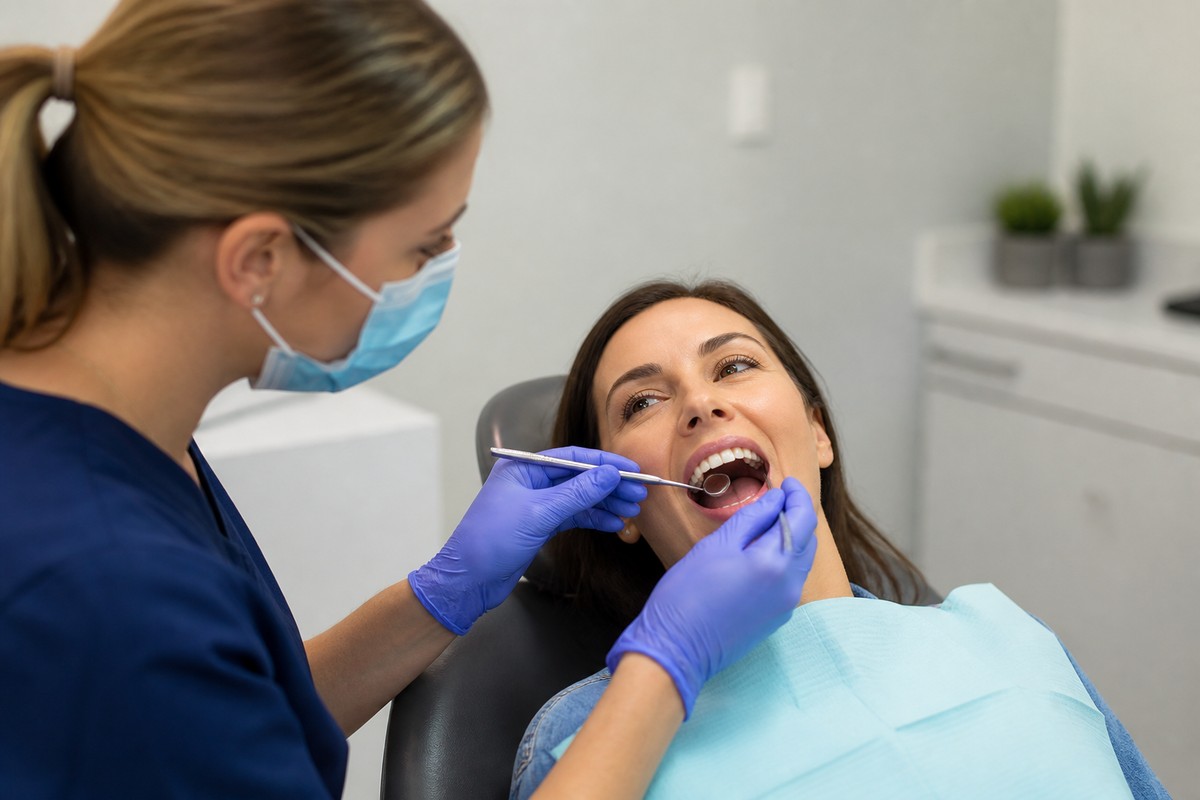
During your visit, the team reviews your oral health and fluoride needs. Your visit may include several steps based on those needs.
- The team checks your current cavity risk.
- The dentist may apply fluoride varnish or gel.
- Your care schedule reflects your oral health needs.
Fluoride Care for Children & Adults

Your Child’s Fluoride Needs
Your child’s age helps guide fluoride care at home. A few simple steps can help your child brush each tooth and avoid swallowing extra toothpaste.
- Use the toothpaste amount recommended for your child’s age.
- Help your child brush until they can clean each tooth on their own.
- Teach your child to spit out toothpaste after brushing.
The dental team can show you how much toothpaste to place on the brush. This guidance can change as your child grows.
Your Adult Fluoride Needs
Fluoride remains useful throughout adulthood. Your fluoride needs may change over time.
- Your daily toothpaste can support your enamel.
- Your dry mouth may raise your risk of cavities.
- Your exposed tooth roots may need added fluoride care.
Changes in medication, saliva flow, or gum position can affect your care needs. The dentist can review these changes during your dental exam.
Fluoride Safety & Everyday Use
Fluoride use should match your age and oral health needs. Daily habits can help your family use each product as directed.
- Use an age-based amount of toothpaste for your child.
- Help your child spit out toothpaste instead of swallowing it.
- Follow the dentist’s directions for mouth rinse or extra fluoride.
Adults should also follow product directions. If the dentist prescribes a higher-fluoride product, use the amount and schedule provided.
When to Ask Your Dentist About Fluoride
Your regular dental visits offer a good time to review your fluoride needs. Ask about added guidance if someone in your family has frequent cavities, dry mouth, new sensitivity or spots, exposed tooth roots, or questions about which fluoride products are appropriate.
A dentist at Sunshine Dental can review your family’s cavity risk and suggest practical options for home and dental visits. Contact Sunshine Dental to book an appointment and ask how fluoride care can support your family’s teeth.