
Key Takeaways
- Digital impressions create a 3D model with a handheld scanner instead of a tray of impression material
- Many patients prefer digital scanning and report less discomfort than with conventional impressions
- The 3D model appears on-screen as the dental team scans your teeth
- Digital files can streamline review and communication with a dental lab when one is involved
- Sunshine Dental uses digital scanning for treatments such as crowns, bridges, and orthodontics
Traditional dental impressions require a tray filled with impression material to stay in the mouth while it sets. That can be uncomfortable, especially for children and people with a sensitive gag reflex. At Sunshine Dental, the team uses family-friendly technology and takes time to explain what to expect during children’s dentistry visits.
A digital impression uses an intraoral scanner to build a detailed 3D model without conventional impression material. Here is how the process works, where it may be used, and what families can ask before treatment.
What Are Digital Impressions?
Conventional Impressions vs. Digital Scans
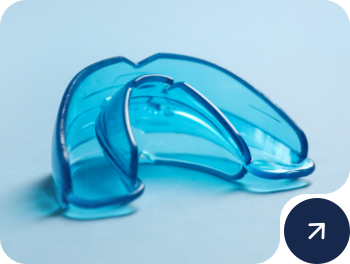
A conventional impression uses a tray and soft material to record the shape of the teeth and surrounding tissues. The method remains useful, but the tray, taste, and setting time can be difficult for some patients.
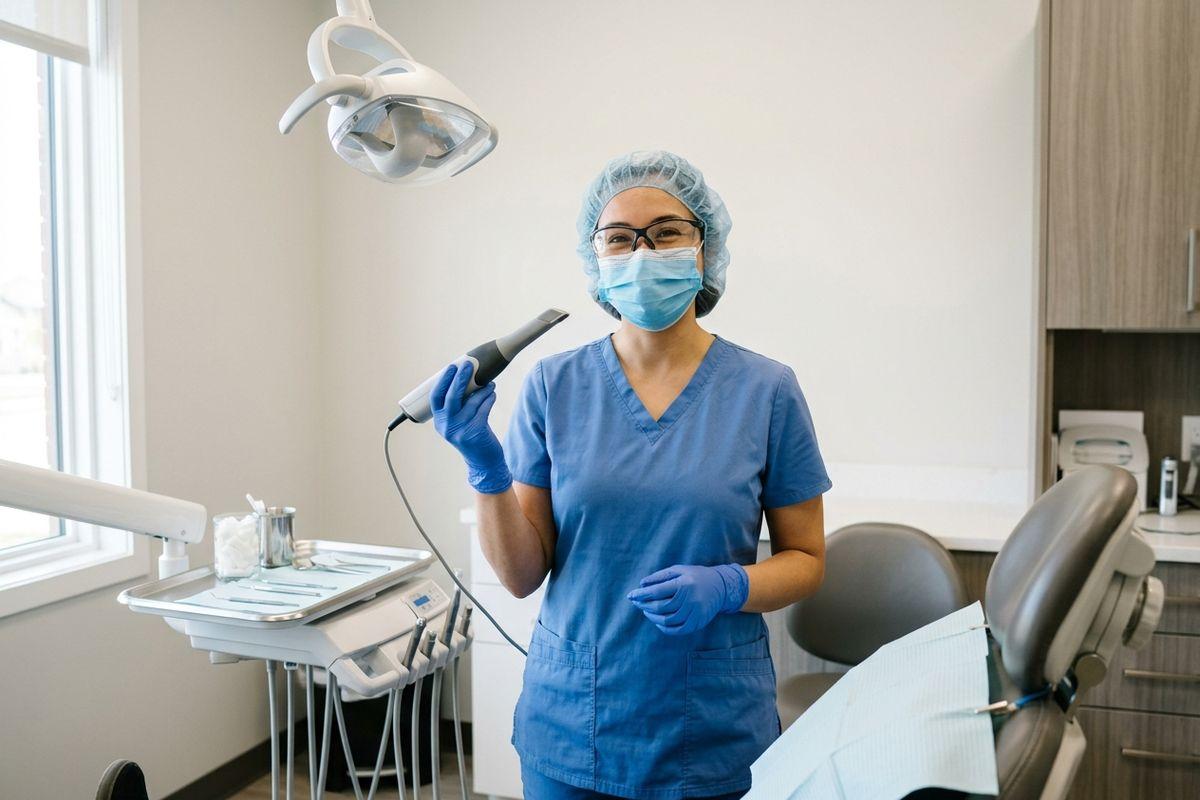
Digital impressions work differently. A small handheld scanner captures images of the teeth and combines them into a 3D model on-screen. There is no impression material to set, and the dental team can review the model as it is created. Sunshine Dental’s digital dentistry page explains how its PrimeScan scanner supports crowns, bridges, and orthodontic care.
How the Digital Scan Process Works
What Happens During Your Appointment
The scanner looks like a small wand. A member of the dental team guides it over the tooth surfaces while the 3D model builds on-screen in real time. Scan length varies with the area being recorded and the treatment being planned.
You can pause if you need a break. If part of the model needs more detail, the team can rescan that area before finalizing the file.
What the Team Does With Your Scan
Once the scan is complete, the dentist can review the model with you and, when treatment requires it, share the digital file with a dental lab. This digital workflow can simplify communication, although laboratory and treatment timelines still depend on the procedure.
Evidence comparing the methods is more nuanced than “digital is always faster.” A systematic review of clinical studies involving tooth-supported restorations found similar clinical time and marginal fit for digital and conventional impressions, while patients rated digital scans as more comfortable.
Why Families Appreciate Digital Impressions
Comfort for Children and Adults
For some children and adults, avoiding a tray and impression material is the biggest advantage. Research comparing patient experiences generally finds a preference for intraoral scanning, with less discomfort, nausea, unpleasant taste, and breathing difficulty than conventional impressions.
Scanning is not sensation-free: the wand still needs to move around the mouth, and comfort varies from person to person. Tell the Sunshine Dental team if you have a strong gag reflex, dental anxiety, or sensory sensitivity before the scan so they can explain the pacing, offer breaks, and discuss whether sedation options are appropriate for the planned care.
A More Relaxed Experience for the Whole Family
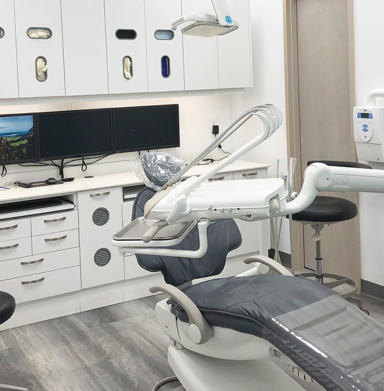
Because the model appears on-screen, the dental team can show patients what has been captured and explain how the scan relates to the treatment plan. For a curious child, seeing the model may make the process feel more transparent, interactive, and fun.
Every child responds differently, so the goal is not to promise a stress-free visit. A calm explanation, age-appropriate choices, and a pace that respects the child’s comfort can help create a more positive experience.
Common Treatments That Use Digital Impressions
Sunshine Dental’s technology page identifies crowns, bridges, and orthodontics as uses for its PrimeScan scanner. Depending on the case, a dentist may recommend a digital impression for:
- Crowns and bridges
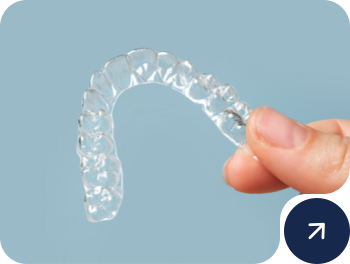
- Orthodontic records and Invisalign planning
- Other restorative or orthodontic cases when a digital scan is clinically appropriate
Planning Your Visit to Sunshine Dental
Questions Worth Asking at Your Appointment
Not every procedure calls for a digital scan, and conventional impressions may still be appropriate in some situations. Ask the dental team what fits your needs:
- Which treatments use digital scans?
- Is a digital impression a good fit for your child’s age or treatment plan?
- How does a digital scan compare to traditional options for what you need?
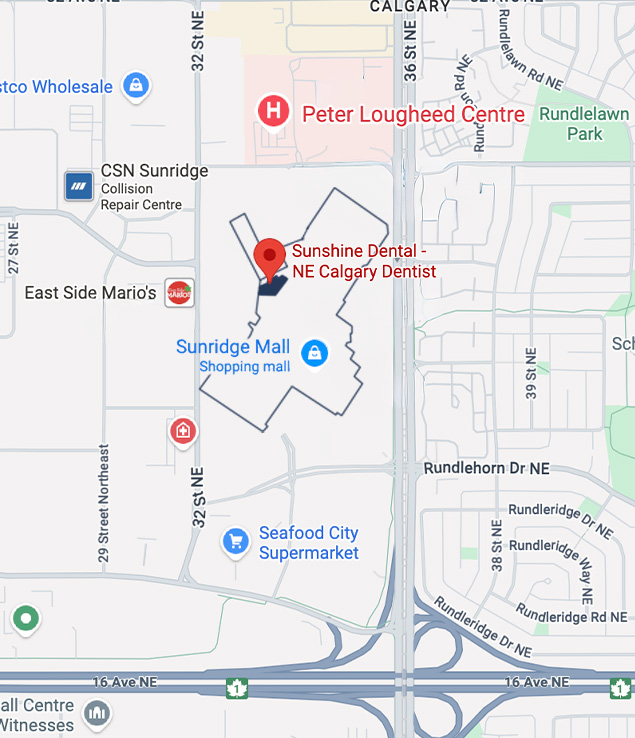
Ready to experience a more comfortable dental visit? Book your appointment at Sunshine Dental, conveniently located beside Sunridge Mall in Calgary, by calling 403-293-7545 or requesting an appointment online.