

Key Takeaways
- Book your child’s first dental visit around age 1 or when their first tooth appears.
- How you talk about the dentist at home shapes how your child feels about it.
- Preventive options like fluoride and sealants can help protect kids’ teeth early.
- Consistent visits every 6 months support healthy development over time.
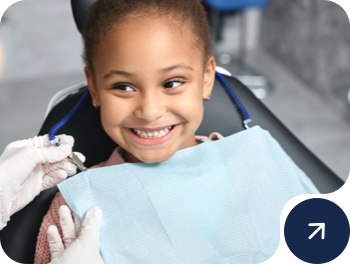
Your child’s first dental visit can feel like a big moment, especially if you’re not sure what to expect. At Sunshine Dental, we believe that a little preparation goes a long way toward making appointments a calm experience. Understanding children’s dental care can help ease any uncertainty you may have.
With the right approach, your child’s first dental visit can be low-pressure, setting the foundation for a lifetime of healthy habits.
What to Expect at Your Child’s First Dental Visit
The Basics of a First Appointment
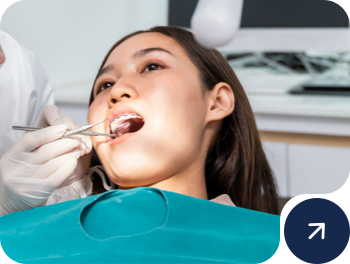
Each appointment is different, but your child’s dentist will generally check your child’s teeth, gums, and jaw, do a quick tooth count, and take a look at how their bite is coming in. If your child is ready, a light cleaning and fluoride treatment may also be included.
The purpose of a first visit is to get a clear picture of your child’s oral health and to introduce them to the dental office in a way that feels manageable.
How Long the Visit Takes
Most first dental visits take around 30 to 45 minutes, depending on your child’s age and how comfortable they are. The appointment is designed to be thorough but unhurried, with built-in breaks if your child needs a moment to settle.
Our team will work at a pace that keeps things calm without rushing through what needs to be done.
The Right Age to Book That First Appointment
Many parents wait until their child is 3 or 4 to book their first dental appointment. However, we recommend bringing kids in at around age 1, or whenever that first tooth pops through.
Starting early means your child can get used to the dental chair in a calm, no-pressure setting before there’s ever a problem to address.
Early visits to the dentist are less about treatment and more about building a sense of familiarity. A child who grows up seeing the dentist as a regular, normal part of life tends to feel more at ease with appointments as they get older. For a helpful overview of what to expect as your child grows, we’ve written a guide on when children should start going to the dentist.
How to Prepare Your Child Before the Visit
Simple Ways to Set a Positive Tone
One of the most helpful things you can do is make dental visits feel familiar before they happen. Reading child-friendly books about going to the dentist gives your child a preview of what to expect. You can also do a little role-play at home, taking turns being the “dentist” with a toothbrush, which often turns an unfamiliar experience into something fun.
Keep the conversation light and matter-of-fact. Frame the visit as a normal part of taking care of your body, just like eating vegetables or getting enough sleep. Doing so helps your child approach the experience without tension.
What to Avoid Before the Appointment
Try not to pass along any anxiety you might have about dental visits. Children pick up on emotional cues quickly, so a calm attitude accomplishes more than any explanation. Avoid using the dentist as a warning or a consequence, since that kind of framing can make the experience feel like a punishment.
There’s also no need to over-explain every step of the appointment in advance. Too much detail can spark questions and worries that wouldn’t have come up otherwise. A simple, honest “the dentist is going to check your teeth and make sure they’re healthy” is enough.

Preventive Care Options for Kids’ Teeth
Fluoride & Sealants
Fluoride treatments help strengthen tooth enamel and can reduce the risk of cavities during the years that kids are most prone to decay. Sealants are another safe, preventive option that the Canadian Dental Association recognises for cavity prevention in children. They’re typically placed on the bicuspids and molars right after those teeth come in.
The bicuspids and molars have deep grooves where bacteria and plaque tend to hide, even with careful brushing. A thin sealant coat fills in those grooves and creates a smoother surface that’s much easier to keep clean.
At-Home Habits That Support Healthy Teeth
What happens at home between visits matters just as much as what happens at the dental office. Brushing twice a day with a fluoride toothpaste helps remove plaque before it has a chance to cause damage. Limiting sugary drinks and snacks between meals also cuts down on the amount of time teeth are exposed to acid. For tips on making brushing a consistent habit, see our blog post on how to get your kids to brush their teeth.
How to Find the Right Dentist for Your Family
A family-focused dental team makes a noticeable difference in your child’s experience. Look for a practice where the environment feels welcoming and the team is comfortable working with kids at different stages of their growth.
Scheduling regular checkups every six months keeps your child’s oral health on track and gives their dentist a chance to catch small issues before they become bigger ones. Consistency is one of the simplest things you can do to support your child’s long-term dental health. Routine dental exams and cleanings are the cornerstone of that consistent care.
At Sunshine Dental, our team works with kids at every stage, from first visits to teens. Contact us to book your child’s first appointment when you’re ready.