

Have you noticed some subtle changes in your smile over the years? Teeth don’t stay in one fixed position forever—it’s normal for them to shift as we age. That’s just one more reason why routine dental care is so important.
Why Do Teeth Shift Over Time?
Shifting can occur for many reasons, some of which can happen at the same time. For example, age-related jaw changes can combine with gum disease or tooth loss to amplify the impact on your teeth’s alignment.
The Natural Aging Process
As we age, the supporting structures of our teeth—like gums and jawbones—can naturally weaken. Everyday activities such as chewing and grinding place consistent pressure on teeth, gradually influencing their alignment. Over time, a natural teeth movement called mesial drift, also plays a role in causing teeth to slowly shift forward in the mouth.
Changes in the Jaw
Your jaw plays an important role in the alignment of your teeth, and it continues to change throughout your life—not just during the growth spurts of adolescence. As you age, your lower jaw gradually becomes narrower and shifts forward, leading to changes in tooth alignment.
Tooth Loss
Tooth loss can result from various factors, including injuries, gum disease, or dental decay. Since teeth rely on each other for stability, when one or more teeth are missing, the surrounding teeth can drift into the empty space.
Over time, this shifting can cause misalignment, crowding, or gaps between teeth, potentially affecting your bite and overall dental health. Getting prompt emergency dental care for accidents and injuries that cause a missing tooth can help you avoid those complications.
Orthodontic Treatment Changes
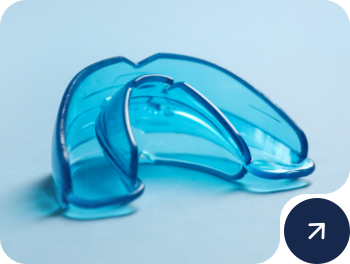
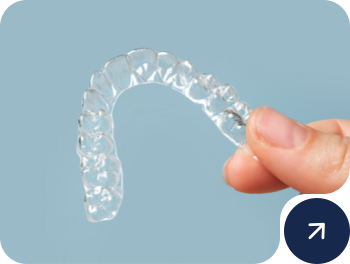
Even if you’ve had braces or aligners in the past, teeth have a natural tendency to shift back toward their original positions over time. This process can happen gradually, often without you noticing it. Without proper retention, like wearing a retainer, these small shifts can accumulate and undo the results of your orthodontic treatment.
Gum Disease
Healthy gums are essential for supporting teeth and maintaining oral health. Gum disease, or periodontal disease, occurs when the tissues surrounding teeth become infected, often due to plaque buildup. In its early stage, known as gingivitis, it can be reversed with proper care.
If left untreated, gum disease can progress to periodontitis, where the infection spreads deeper into the supporting structures of the teeth, causing teeth to shift or loosen.
How Much Do Teeth Shift?
How much teeth shift over time varies from person to person. Some people only experience minor changes, while others may notice more pronounced movement that affects their bite or smile. Various factors, like oral habits and gum health, all play a role in determining the degree of movement.
Minor shifts are typically harmless, but more significant changes may require attention.
Why Does Stopping Teeth from Shifting Matter?
While it’s not possible to completely stop teeth from shifting, taking steps to slow the process can help maintain your oral health and comfort. When teeth shift, it can lead to several challenges beyond a crooked smile, including the following:
- Crowded or overlapping teeth can create hard-to-reach areas, making cleaning difficult.
- Misaligned teeth can affect how you chew and speak.
- Shifting teeth can place uneven pressure on neighbouring teeth, leading to excessive wear or damage.
- When teeth shift, roots can become exposed, heightening sensitivity and making teeth more vulnerable to infection.
- Changes in bite alignment can cause strain on your jaw, leading to discomfort or TMD, which is a disorder of the TMJ.
How to Slow Shifting
There are many ways to help slow or reduce how much your teeth shift. Your dentist may recommend specific treatments, and there are also habits you can follow at home to support long-term alignment.
Professional Treatments
Your dentist might suggest one of the following options:
- Retainers or aligners to maintain the results of orthodontic treatment or make minor adjustments.
- Crowns or bridges to fill gaps and stabilize surrounding teeth.
- Dental implants to replace missing teeth and preserve jawbone health.
- Space maintainers to prevent neighbouring teeth from drifting into the space left by a missing tooth.
Everyday Habits
Daily care can also help keep your teeth in place:
- Take care of your gums: Healthy gums provide support for your teeth. Brush gently, floss daily, and schedule regular cleanings.
- Replace missing teeth: Fill gaps with bridges or implants to help prevent unwanted movement and support jaw health.
- Address teeth grinding: A night guard can protect your teeth if you grind during sleep or due to stress.
- Check your bite: Uneven pressure from an unbalanced bite can cause teeth to shift. Routine dental exams can catch and address bite problems.
- Visit your dentist regularly: Regular checkups allow your dentist to monitor your alignment and suggest solutions if needed.
By staying proactive with your oral care and addressing changes early, you can protect your smile and maintain your oral health for many years.