
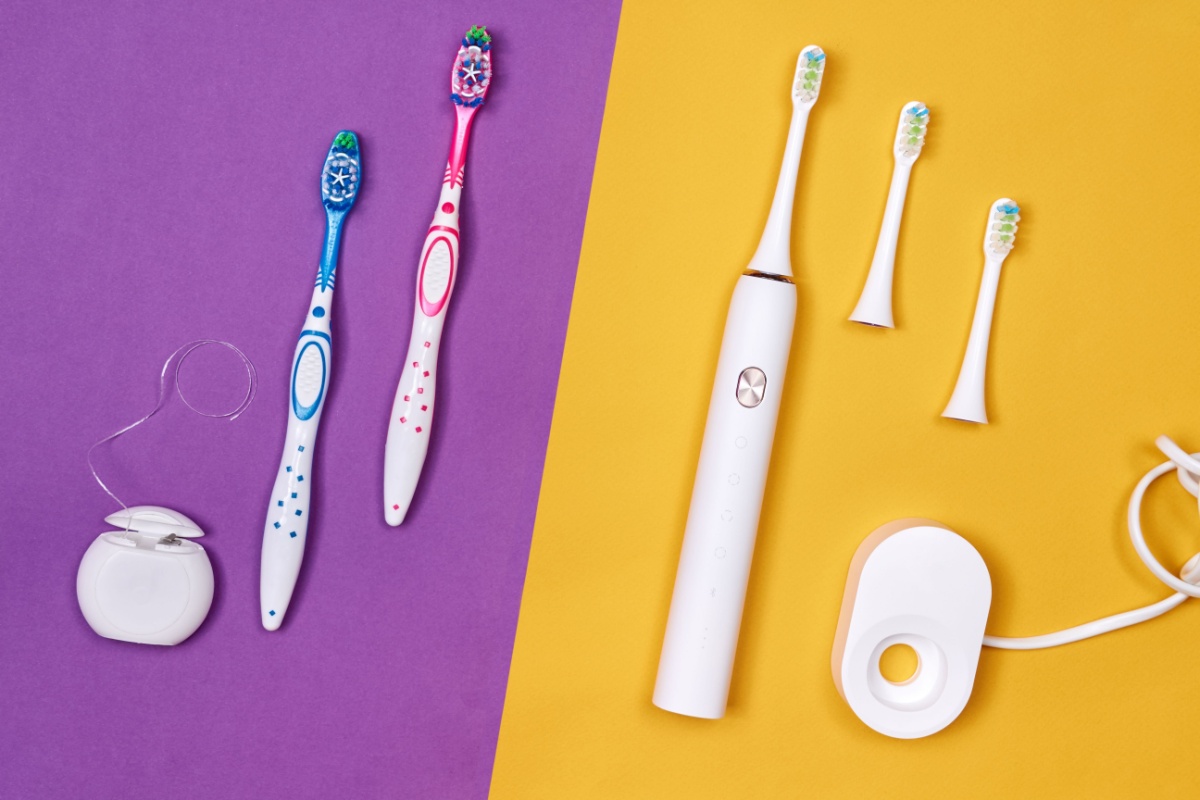
You’ve probably stood in the toothbrush aisle wondering if that electric toothbrush is worth the extra cost for your family. With so many options available, choosing oral care tools can feel overwhelming when you want what works for your family’s daily brushing routine. The right choice depends on your family’s specific needs, budget, and oral health goals.
How Electric and Manual Toothbrushes Work
Electric Toothbrushes
Electric toothbrushes use rotating or vibrating brush heads to clean your teeth with thousands of movements per minute. The motor does most of the work while you guide the brush along your teeth and gumline.
These toothbrushes create a consistent cleaning motion that helps break up plaque and food particles. You simply hold the brush against each tooth surface for a few seconds and let the technology do the scrubbing.
Manual Toothbrushes
Manual toothbrushes rely entirely on your hand movements to clean teeth. You control the pressure, speed, and technique as you brush back and forth or in circular motions.
The bristles physically scrub away plaque and bacteria when you move the brush properly. Your technique and consistency determine how effectively a manual toothbrush cleans your mouth.
Benefits of Electric Toothbrushes
Plaque Removal Power
Electric toothbrushes can typically remove more plaque than manual brushing because they produce thousands more cleaning motions per minute than your hand can achieve. This extra power helps reach areas where plaque tends to build up.
The consistent vibration or rotation also helps disrupt bacterial biofilm more effectively. Many people notice their teeth feel smoother and cleaner after switching to an electric toothbrush. This more effective plaque removal helps prevent gum disease by stopping plaque from hardening into tartar.
Built-In Timer Features
Most electric toothbrushes include 2-minute timers that help you brush for the recommended duration. Some models even pulse every 30 seconds to remind you to switch to a different section of your mouth.
This timing feature helps establish good brushing habits, especially for children who might otherwise rush through their oral care routine. You don’t have to guess whether you’ve brushed long enough.
Easier Brushing for Kids and Adults
Electric toothbrushes require less manual dexterity and hand movement, making them helpful for children still developing motor skills. Adults with arthritis or other mobility challenges also find them easier to use.
The brush does most of the work, so you can focus on positioning rather than scrubbing motions. This can lead to more thorough cleaning with less effort from you.
Benefits of Manual Toothbrushes
Cost Considerations
Manual toothbrushes cost significantly less than electric options, making them budget-friendly for larger families. While electric toothbrushes offer additional features, manual brushes provide effective cleaning at a fraction of the cost.
Travel and Convenience Factors
Manual toothbrushes pack easily in any bag and never need charging. You can take them camping, on business trips, or anywhere without worrying about power sources.
They’re also more durable and less likely to break if dropped. For families who travel frequently, keeping manual toothbrushes as backups makes practical sense.
Proper Technique Still Matters
A manual toothbrush can clean your teeth effectively when you use proper technique consistently. Good brushing habits, like gentle circular motions, adequate time, and reaching all surfaces, matter more than the type of brush.
Some people prefer the control that manual brushing provides. You can adjust pressure and movement based on how your teeth and gums feel each day.
Which Option Works Best for Children?
Age Recommendations
Children can safely start using electric toothbrushes around age 3, when they can hold the brush steady and follow simple instructions. Many pediatric models feature smaller heads and gentler vibrations designed for young mouths.
Younger children might do better with manual toothbrushes while they learn basic brushing motions. The key is parental supervision and assistance regardless of which type you choose, especially for younger children still learning to brush effectively.
Motor Skills Development
Manual toothbrushes help children develop fine motor control and learn proper brushing technique. They gain an understanding of how much pressure to apply and which movements clean effectively.
Electric toothbrushes can help children who struggle with coordination achieve thorough cleaning while they’re still learning. Both options can support healthy oral care habits when used appropriately with proper guidance from parents.
Making Brushing Fun
Electric toothbrushes often appeal to children because they feel like fun gadgets rather than chores. Many models feature colourful designs, music, or app connectivity that engages kids.
Manual toothbrushes with favourite character themes or bright colours can also motivate children. The key is finding what makes your child excited about brushing twice daily and maintaining their oral health.
What Your Dentist Recommends
Individual Needs Assessment
Your dentist considers factors like your current oral health, dexterity, and brushing habits when recommending toothbrush types. Some people benefit more from electric options due to specific oral health challenges.
Children with braces, adults with gum disease, or family members who consistently miss certain areas during brushing might find electric toothbrushes particularly helpful. The recommendation varies based on individual circumstances discovered during your dental recall exam.
Signs You Might Benefit from Electric
- Difficulty reaching back teeth
- Limited hand mobility
- Frequent plaque buildup
- Gum sensitivity issues
Making Your Decision
Consider your family’s budget, travel habits, and individual oral health needs when choosing between electric and manual toothbrushes. Some families use electric toothbrushes at home and keep manual ones for travel.
Remember that consistent brushing with either type matters more than having the most advanced technology. Focus on establishing regular oral care routines that your family can maintain long-term, including proper flossing techniques.Choose the right toothbrush for your family’s needs with guidance from Sunshine Dental in Calgary. During your next checkup, we’ll assess your brushing technique and recommend the best option for maintaining healthy smiles. Book your appointment today.